
Gallbladder & Bile Duct Stone Surgery in Kanpur
Gallstones and bile duct stones are among the most common digestive problems seen in adults, and for many patients the first response to a diagnosis is worry rather than clarity. If you or a family member has been told you need gallbladder or bile duct surgery in Kanpur, this page is meant to help you understand what the condition means, what your treatment options are, and what to expect at every step, from consultation to recovery.
Appointment Form
Request a consultation
Share a few details and our team will call you back to confirm your appointment.
Our Gallbladder Surgery Treatments
Gallstones and bile duct stones are among the most common digestive problems seen in adults, and for many patients the first response to a diagnosis is worry rather than clarity. If you or a family member has been told you need gallbladder or bile duct surgery in Kanpur, this page is meant to help you understand what the condition means, what your treatment options are, and what to expect at every step, from consultation to recovery.
Gallstone Surgery
Removal of gallstones to relieve pain and prevent further gallbladder complications.
Laparoscopic Cholecystectomy
Minimally invasive removal of the gallbladder using small abdominal incisions.
Complex Gallbladder Surgery
Specialized surgical treatment for complicated gallbladder conditions requiring careful management.
Understanding Gallbladder Stones and Bile Duct Problems
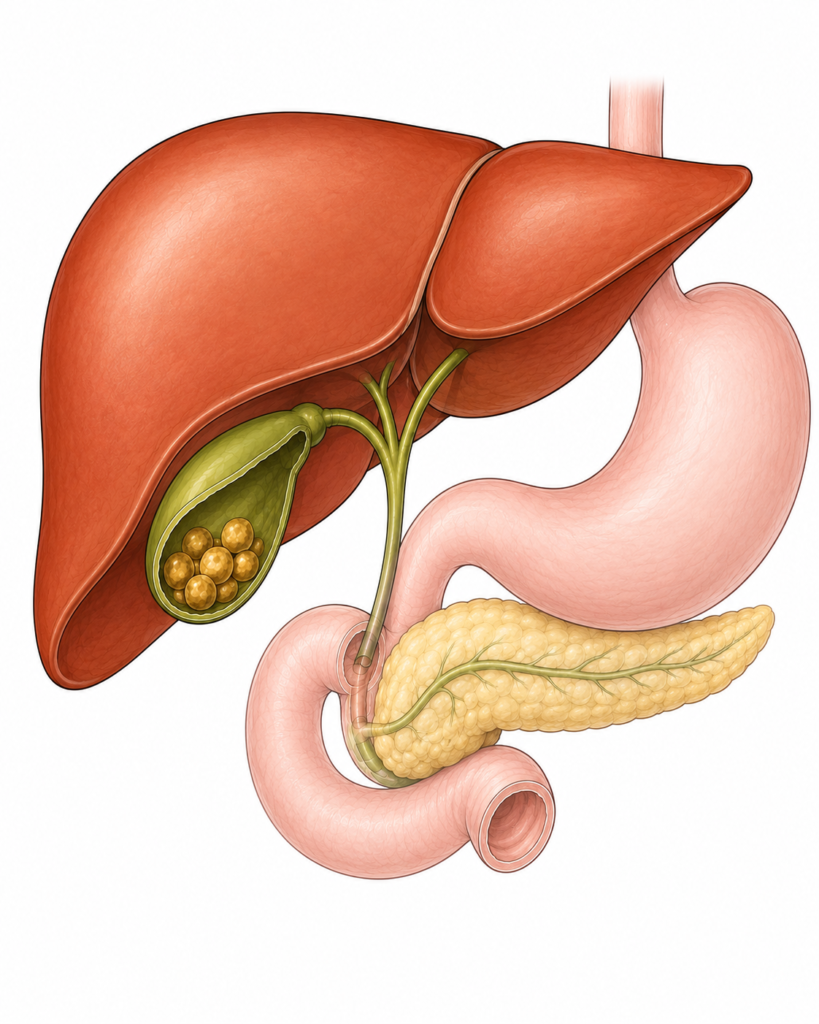
Gallstones are hardened deposits that form inside the gallbladder, a small organ that stores bile used for digesting fat. Some stones stay in the gallbladder without causing symptoms, while others move into the bile duct, the tube that carries bile to the intestine, where they can cause blockage, infection, or jaundice. When a stone lodges in the common bile duct (CBD), it is considered a more urgent problem than a stone sitting quietly in the gallbladder, because it can obstruct the flow of bile and, in some cases, lead to pancreatitis or cholangitis (infection of the bile duct).
Common Symptoms to Watch For
- Pain in the upper right or central abdomen, often after fatty meals
- Nausea, vomiting, or bloating
- Yellowing of the skin or eyes (jaundice)
- Dark urine or pale, clay-coloured stools
- Fever with chills, which can indicate infection in the bile duct
Why Bile Duct Stones Need Urgent Attention
Unlike a gallbladder stone that has not moved, a stone stuck in the bile duct can cause the bile duct to swell and become infected. This combination of jaundice, pain, and fever is a warning sign that should not be ignored, and typically needs prompt evaluation rather than a wait-and-watch approach.
When Do You Need Gallbladder or Bile Duct Surgery?
Not every gallstone requires immediate surgery. Dr. Abhinav Sengar’s approach begins with a clinical assessment along with imaging, usually an ultrasound, and blood tests to check liver function. Surgery or an ERCP procedure is typically recommended when stones are causing repeated pain, when a stone has moved into the bile duct, when there is evidence of infection or inflammation, or when imaging shows a risk of complications if the stones are left untreated. Every case is evaluated individually before a treatment plan is suggested.

Laparoscopic vs Open Gallbladder Surgery
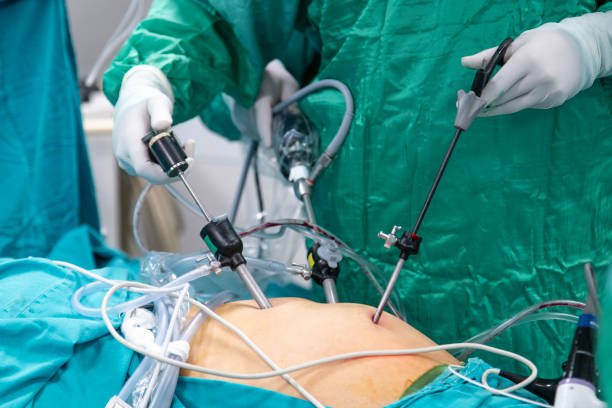
Most gallbladder removals today are performed laparoscopically, using small incisions and a camera, rather than the traditional open approach that requires a larger cut. The right choice depends on the patient’s anatomy, the severity of inflammation, and any prior abdominal surgeries.
Benefits of Laparoscopic (Keyhole) Surgery
- Smaller incisions and less visible scarring
- Generally shorter hospital stay compared to open surgery
- Typically faster return to daily activities
- Reduced post-operative pain for most patients
When Open Surgery May Be Recommended
In cases of severe inflammation, dense scar tissue from previous surgeries, or certain complications discovered during the procedure, a surgeon may need to convert to or begin with open surgery to ensure safety. This decision is made based on clinical judgment during evaluation or, in some cases, during the operation itself
Why Patients Trust Dr. Abhinav Sengar
Dr. Abhinav Sengar brings specialized gastro-surgical training, extensive hands-on experience, and a genuinely patient-focused approach to digestive and abdominal care in Kanpur.

Qualifications
- MBBS — CSJM University
- MS General Surgery — CSJM University
- DNB Gastro Surgery — National Board of Examinations (NBE)
- FIAGES — Fellow, Indian Association of Gastrointestinal Endo Surgeons
14+ years
of specialized gastro-surgical practice
9 focus areas
across stomach, gallbladder, liver & pancreas care
Specialized training in General Surgery and Gastro Surgery (DNB)
Fellow of the Indian Association of Gastrointestinal Endo Surgeons (FIAGES)
Expertise across stomach, gallbladder, liver, and pancreatic disorders
Evidence-based, personalized treatment — not a generic protocol
Clear communication and a patient-first approach
Trusted by patients across Kanpur and surrounding regions
Frequently Asked Questions
Q1. What are the early symptoms of gallbladder stones?
Common early symptoms include pain in the upper right abdomen, especially after fatty meals, along with bloating, nausea, and occasional vomiting. Some patients have no symptoms until a stone moves into the bile duct.
Q2. Is surgery always necessary for gallstones?
Not always. Small, silent gallstones without symptoms may sometimes be monitored, but stones causing pain, infection, or blockage typically require surgical or endoscopic treatment. Dr. Sengar will advise based on your specific evaluation.
Q3. What is the difference between laparoscopic and open gallbladder surgery?
Laparoscopic surgery uses small incisions and a camera, generally allowing for less pain and a shorter recovery. Open surgery involves a larger incision and is used in cases with significant inflammation or complications where laparoscopic access is not safe.
Q4. How long is the hospital stay after gallbladder surgery?
This depends on the type of procedure and the patient’s condition. Laparoscopic surgery generally involves a shorter stay than open surgery. Dr. Sengar will give you a personalised estimate during your consultation.
Q5. What is ERCP and when is it used for bile duct stones?
ERCP (Endoscopic Retrograde Cholangiopancreatography) is a procedure that uses an endoscope to locate and remove stones from the bile duct. It is commonly used when a stone has moved out of the gallbladder into the bile duct.
Q6. How soon can I return to normal activities after surgery?
Recovery time varies by procedure and individual health, with laparoscopic patients generally returning to routine activities sooner than those undergoing open surgery. Your surgeon will guide you on a suitable timeline based on your recovery.
Book Your Consultation
Tulip Hospital 117/439, H Block, Pandu Nagar, near Police Station and Paliwal Diagnostics, Kakadeo, Kanpur, Uttar Pradesh 208005 Phone: 7080999988 / 7080180033 | Open 24 Hours Appointment required. Call, WhatsApp, or book online to consult Dr. Abhinav Sengar. |