
Esophageal Surgery in Kanpur — Expert Care by Dr. Abhinav Sengar
If you or a loved one are dealing with persistent swallowing difficulty, chest discomfort, or have been told to investigate the food pipe further, getting clear answers quickly matters. Dr. Abhinav Sengar, a gastro surgeon with 14 years of experience, provides evaluation and surgical treatment for esophageal cancer at Tulip Hospital in Kakadeo, Kanpur, including robotic esophagectomy for eligible patients.
Appointment Form
Request a consultation
Share a few details and our team will call you back to confirm your appointment.
Esophageal Surgical Procedures We Offer
Dr. Abhinav Sengar provides surgical treatment for esophageal conditions at Tulip Hospital, with the procedure selected according to the location and extent of disease and the patient’s individual treatment needs.
Esophageal Cancer Surgery
Surgical treatment to remove cancerous growths from the esophagus and help restore the normal passage of food.
Esophagectomy
Removal of part or most of the esophagus, followed by reconstruction to maintain the digestive pathway.
Gastric Pull-Up Surgery
A reconstructive procedure that uses the stomach to create a new pathway for food after part of the esophagus is removed.
What Is Esophageal Cancer? Understanding the Food Pipe and Its Function
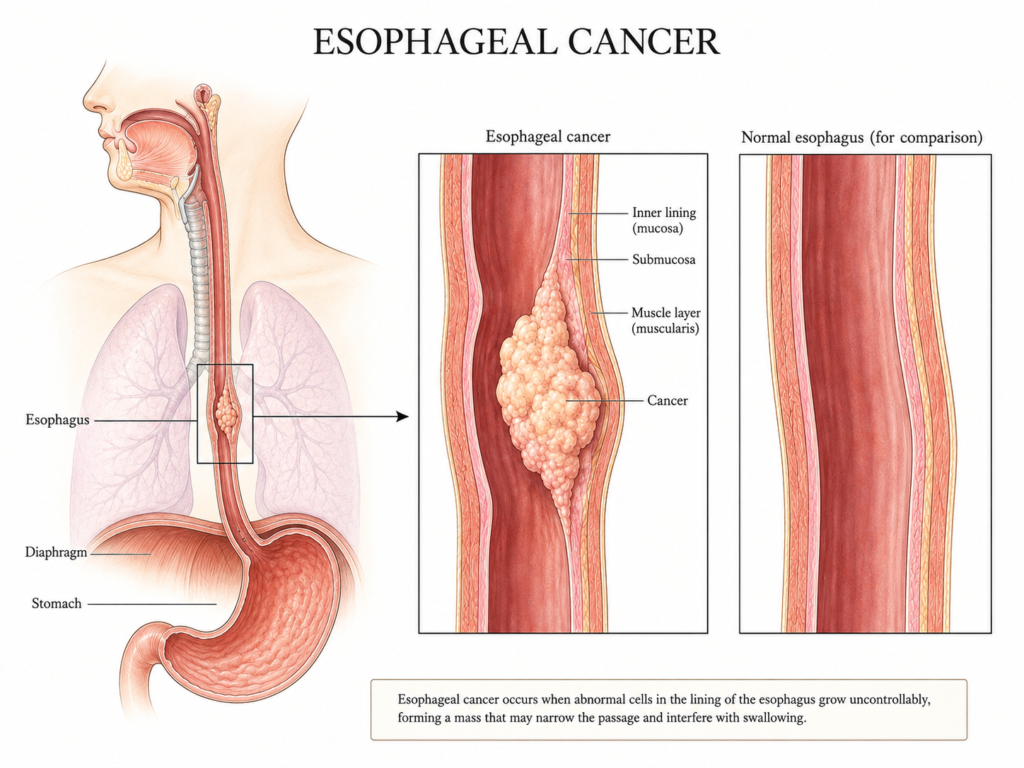
The esophagus, commonly called the food pipe, is the muscular tube that carries food and liquids from the throat to the stomach. Esophageal cancer develops when abnormal cells grow in the lining of this tube, gradually narrowing it and interfering with normal swallowing. It can develop in the upper, middle, or lower esophagus, and treatment approach often depends on where and how advanced the growth is at diagnosis.
Because early symptoms can resemble common digestive complaints like acidity or occasional difficulty swallowing, esophageal cancer is sometimes identified only after it has progressed. This is why persistent or worsening symptoms deserve a proper medical evaluation rather than prolonged self-treatment.
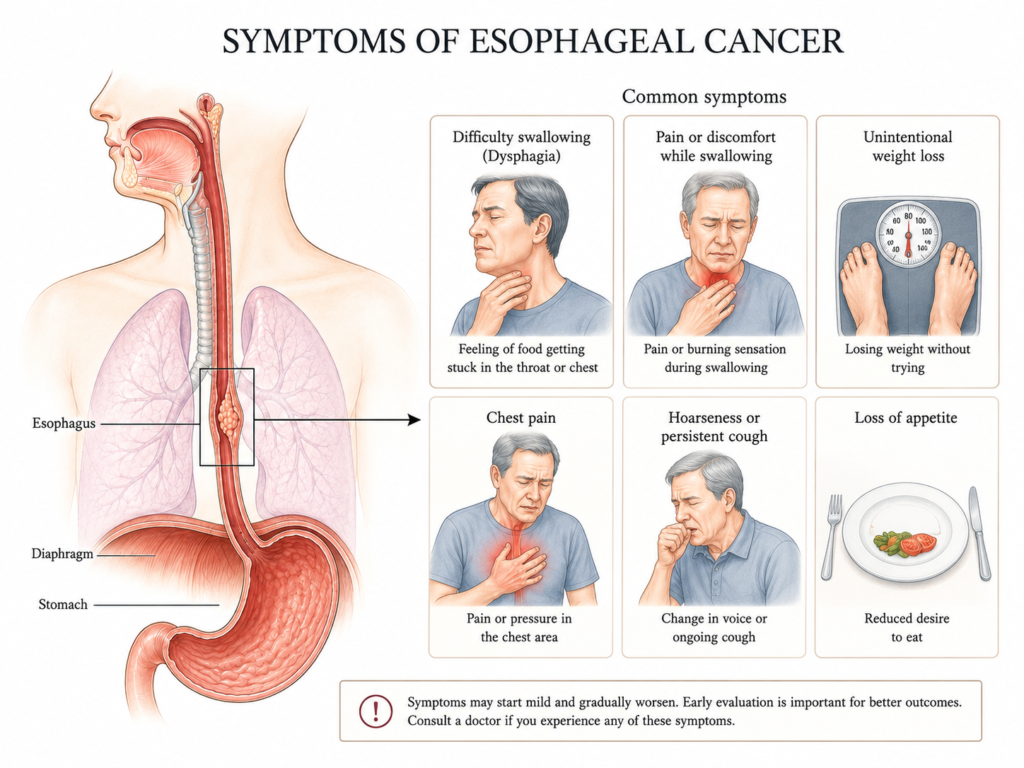
Early Esophageal Cancer Symptoms You Should Not Ignore
Difficulty Swallowing (Dysphagia)
A gradual sensation of food getting stuck, needing to drink water to swallow, or shifting to softer foods over time is one of the most common early indicators. This symptom often starts mild and worsens gradually, which is why it tends to be dismissed initially.
Unexplained Weight Loss and Chest Discomfort
Unintentional weight loss, a burning sensation behind the breastbone, chronic cough, or a feeling of pressure while eating can also point toward esophageal disease. These symptoms alone do not confirm cancer, but combined with swallowing changes, they warrant prompt evaluation.
- Persistent heartburn that does not respond to usual antacids
- Hoarseness of voice or chronic cough lasting several weeks
- Vomiting or regurgitation of undigested food
- Unexplained fatigue or low blood count
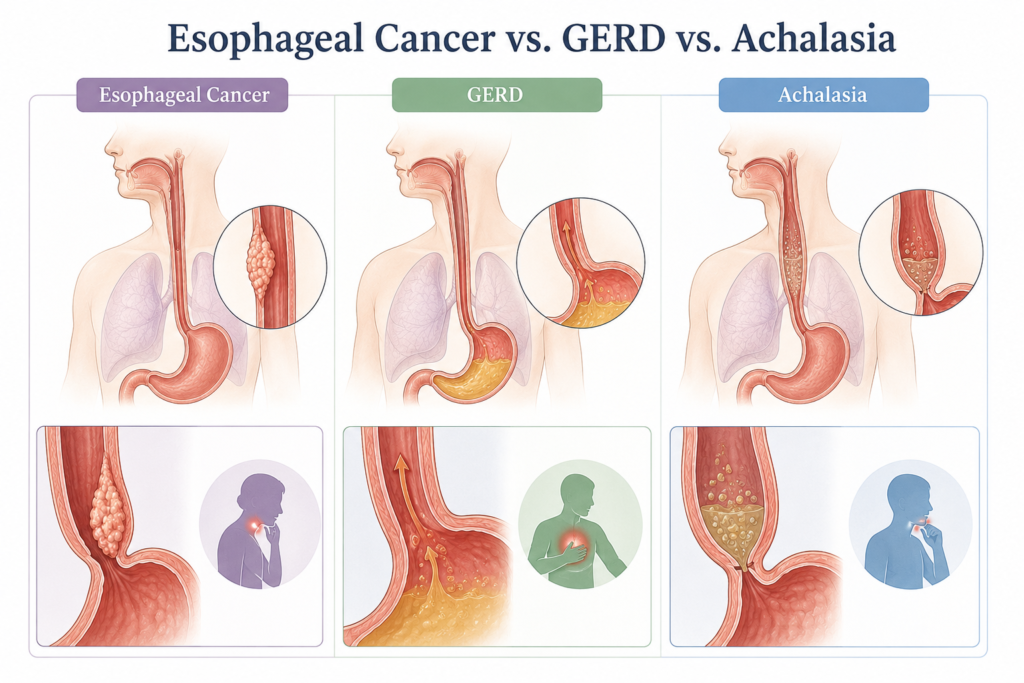
Esophageal Cancer vs. GERD vs. Achalasia — How They Differ
GERD (gastroesophageal reflux disease), achalasia, and esophageal cancer can all present with overlapping symptoms such as heartburn, regurgitation, or swallowing difficulty, which is why an accurate diagnosis matters. GERD is caused by stomach acid repeatedly flowing back into the esophagus and, over years, can contribute to changes in the esophageal lining. Achalasia is a motility disorder where the muscle at the lower end of the esophagus fails to relax properly, making swallowing progressively harder even though there is no tumor involved. Esophageal cancer involves abnormal tissue growth and requires a different diagnostic and treatment pathway altogether. Dr. Abhinav Sengar’s evaluation typically includes endoscopy and, where needed, biopsy or imaging to distinguish between these conditions before recommending treatment.
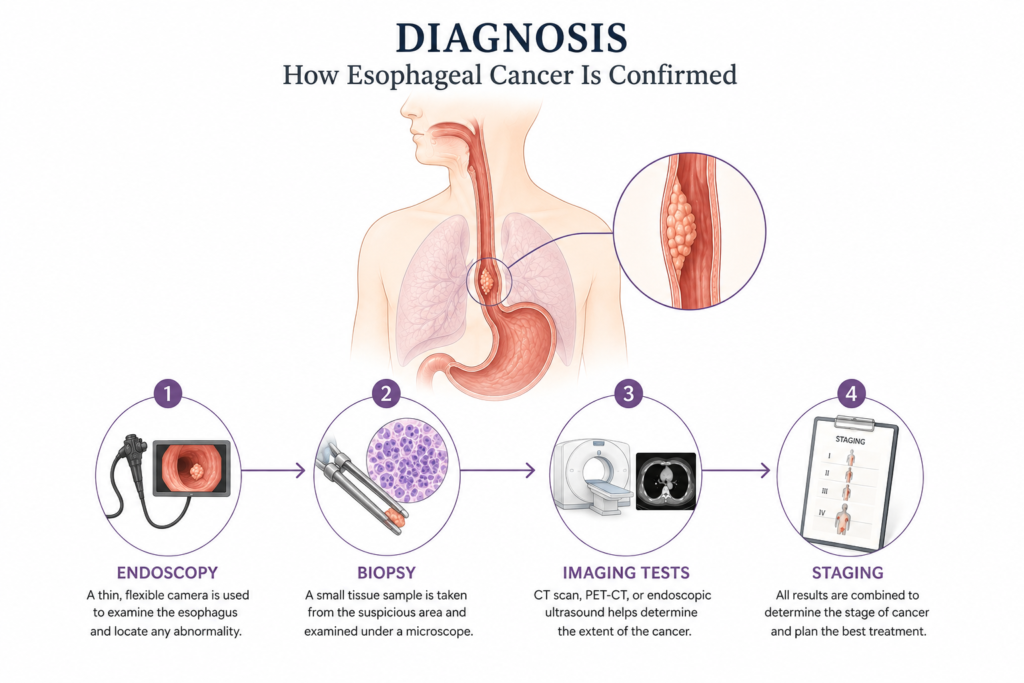
Diagnosis: How Esophageal Cancer Is Confirmed
Diagnosis usually begins with a detailed history and physical examination, followed by an upper GI endoscopy to directly visualize the esophagus. If an abnormal area is found, a biopsy is taken to confirm whether it is cancerous. Additional imaging, such as a CT scan, may be used to understand the extent of the disease and plan the most appropriate treatment. This step-by-step process helps determine whether surgery, non-surgical treatment, or a combination approach is most suitable for each patient.
Treatment Options for Esophageal Cancer
Robotic Esophagectomy — A Minimally Invasive Approach
- Robotic esophagectomy uses robotic-assisted instruments to remove the affected portion of the esophagus through small incisions, offering surgeons enhanced precision and visualization during a technically demanding operation. For eligible patients, this minimally invasive approach can mean smaller incisions and a more controlled recovery process compared to traditional open surgery, though suitability depends on the stage and location of the disease, which Dr. Abhinav Sengar assesses individually.
Traditional (Open) Esophagectomy
- In cases where robotic or minimally invasive surgery is not appropriate, an open esophagectomy remains a well-established surgical option. This involves a larger incision to directly access and remove the affected esophageal segment, followed by reconstruction to restore the digestive pathway.
Non-Surgical and Combined Treatment Approaches
- Depending on the stage of the disease, treatment may also involve chemotherapy, radiation therapy, or a combination of these with surgery. Dr. Abhinav Sengar discusses the most suitable pathway after reviewing diagnostic reports, ensuring the treatment plan matches the specific stage and overall health of the patient.
Why Patients Trust Dr. Abhinav Sengar
Dr. Abhinav Sengar brings specialized gastro-surgical training, extensive hands-on experience, and a genuinely patient-focused approach to digestive and abdominal care in Kanpur.

Qualifications
- MBBS — CSJM University
- MS General Surgery — CSJM University
- DNB Gastro Surgery — National Board of Examinations (NBE)
- FIAGES — Fellow, Indian Association of Gastrointestinal Endo Surgeons
14+ years
of specialized gastro-surgical practice
9 focus areas
across stomach, gallbladder, liver & pancreas care
Specialized training in General Surgery and Gastro Surgery (DNB)
Fellow of the Indian Association of Gastrointestinal Endo Surgeons (FIAGES)
Expertise across stomach, gallbladder, liver, and pancreatic disorders
Evidence-based, personalized treatment — not a generic protocol
Clear communication and a patient-first approach
Trusted by patients across Kanpur and surrounding regions
Your Treatment Journey at Tulip Hospital
Consultation and Evaluation
Your journey begins with a detailed consultation where Dr. Abhinav Sengar reviews your symptoms and medical history, followed by any required diagnostic tests such as endoscopy or imaging.
Surgery and Hospital Stay
If surgery is recommended, the procedure is planned based on your specific diagnosis. Tulip Hospital operates 24 hours, allowing for coordinated pre-operative and post-operative care.
Recovery and Follow-Up Care
Recovery timelines vary based on the type of surgery performed and individual healing. Dr. Abhinav Sengar’s team provides follow-up guidance on diet progression, activity levels, and monitoring after discharge.
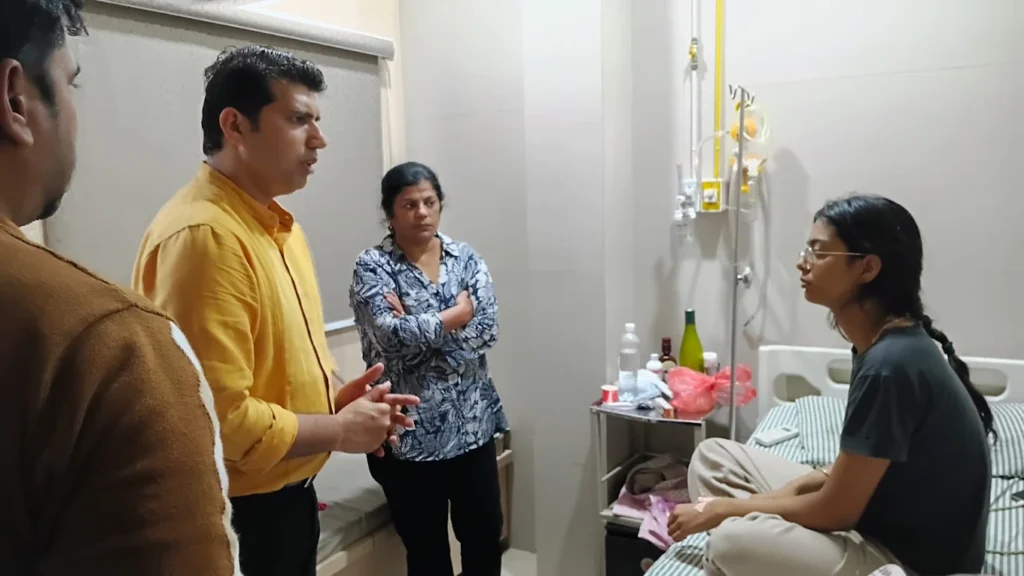
Areas We Serve
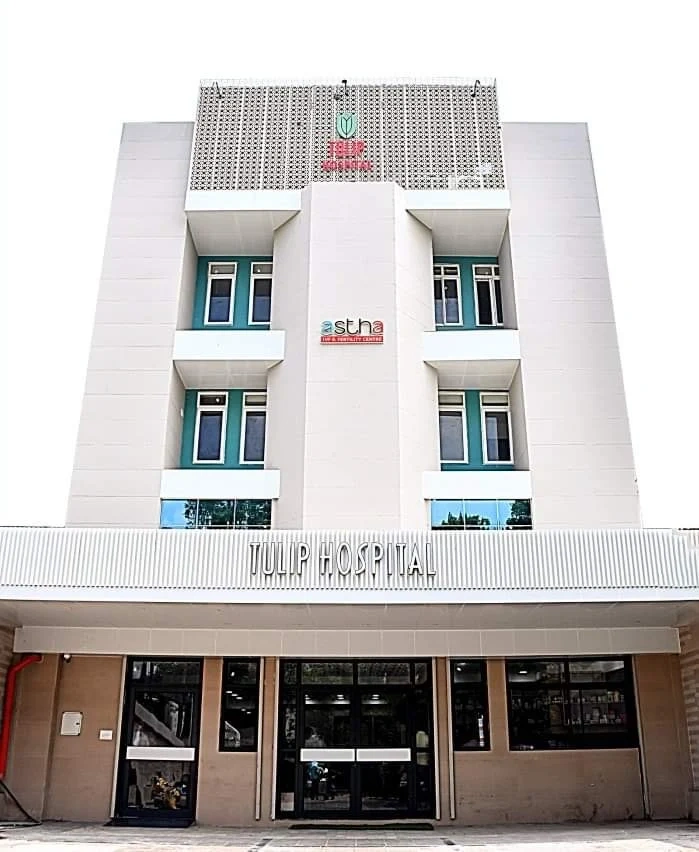
Tulip Hospital is located in Kakadeo, Kanpur, and welcomes patients from across the city as well as surrounding districts seeking expert liver and gastrointestinal surgical care.
Serving Kakadeo, Swaroop Nagar, Civil Lines and Beyond
Patients regularly travel to Dr. Abhinav Sengar’s clinic from areas including Kakadeo, Swaroop Nagar, Civil Lines, Kalyanpur, Govind Nagar, and Kidwai Nagar, as well as from nearby districts such as Kanpur Dehat, Unnao, and Fatehpur. Whichever part of the region you are coming from, our team can guide you on appointment timings and what to bring for your first visit.
Frequently Asked Questions
Q1. What are the early signs of esophageal cancer?
Early signs often include gradual difficulty swallowing, a sensation of food sticking, unexplained weight loss, and persistent heartburn that does not improve with usual antacids. Symptoms lasting more than a few weeks should be evaluated by a specialist.
Q2. How is esophageal cancer diagnosed?
Diagnosis typically involves an upper GI endoscopy to examine the esophagus directly, followed by a biopsy if an abnormal area is found. Imaging such as a CT scan may be used to assess the extent of the disease.
Q3. What is robotic esophagectomy and how is it different from open surgery?
Robotic esophagectomy uses robotic-assisted instruments through small incisions, offering enhanced precision and visualization for eligible patients. Open esophagectomy uses a larger incision and remains a well-established option when robotic surgery is not suitable.
Q4. Is esophageal cancer surgery painful, and how long is recovery?
As with any major surgery, some discomfort is expected and is managed with pain control protocols. Recovery duration varies by individual and procedure type; Dr. Sengar’s team provides a personalized recovery plan after surgery.
Q5. How much does esophageal surgery cost in Kanpur?
Cost depends on the type of surgery, hospital stay, and any additional treatment needed. Tulip Hospital provides a personalized cost estimate after evaluating your specific case rather than a fixed price.
Q6. Can GERD or achalasia be mistaken for esophageal cancer?
Yes, GERD and achalasia can share symptoms like heartburn and swallowing difficulty with esophageal cancer. A proper evaluation, usually including endoscopy, is needed to tell these conditions apart accurately.
Q7. What should I expect during my first consultation?
Your first visit includes a detailed discussion of your symptoms and medical history, a physical examination, and a recommendation for any diagnostic tests needed to reach a clear diagnosis.
Q8. How do I book a consultation with Dr. Abhinav Sengar?
You can call 7080999988 or 7080180033 to schedule an appointment at Tulip Hospital, Kakadeo, Kanpur. Consultations are by appointment.
Book Your Consultation
Tulip Hospital 117/439, H Block, Pandu Nagar, near Police Station and Paliwal Diagnostics, Kakadeo, Kanpur, Uttar Pradesh 208005 Phone: 7080999988 / 7080180033 | Open 24 Hours Appointment required. Call, WhatsApp, or book online to consult Dr. Abhinav Sengar. |