
Best Intestinal Surgeon in Kanpur — Dr. Abhinav Sengar, Tulip Hospital
Intestinal problems don’t always announce themselves clearly, and a diagnosis such as appendicitis, a
bowel blockage, or a colorectal condition can feel overwhelming at first. If you or a family member has been
advised intestinal surgery in Kanpur, this page is meant to help you understand what the condition means,
what your treatment options are, and what to expect at every step, from consultation to recovery.
Appointment Form
Request a consultation
Share a few details and our team will call you back to confirm your appointment.
Intestinal & Gastrointestinal Surgical Procedures
Dr. Abhinav Sengar provides surgical treatment for a range of intestinal and abdominal conditions at Tulip Hospital, Kanpur. The appropriate procedure depends on the underlying condition, its severity, and the patient’s overall health.
Appendectomy
A focused surgical procedure to remove an inflamed or infected appendix and prevent further complications.
Bowel Surgery
Surgical treatment designed to address conditions affecting the small or large intestine and restore healthy bowel function.
Abdominal Tumor Surgery
Carefully planned surgery to remove tumors within the abdominal region while protecting surrounding healthy tissues
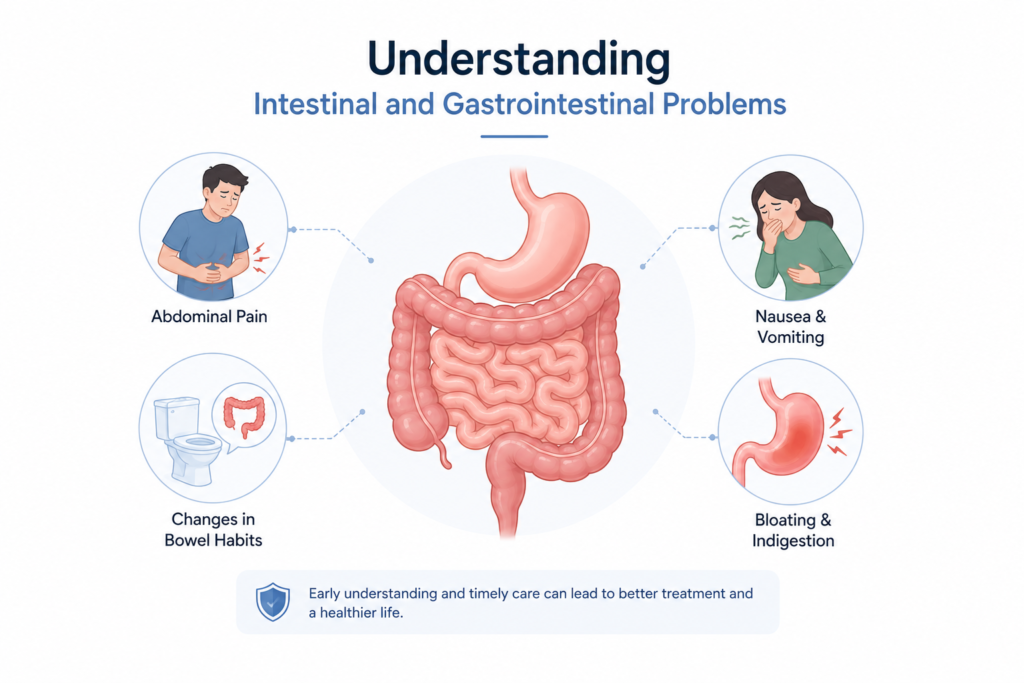
Understanding Intestinal and Gastrointestinal Problems
Intestinal problems rarely announce themselves clearly. Many patients live with vague discomfort for weeks before realising something needs medical attention. Recognising the difference between a passing digestive upset and a condition that needs surgical care can save valuable time.
Common warning signs that need a GI surgeon’s attention
- Abdominal pain that is severe, one-sided, or getting worse instead of better
- Persistent bloating or a visibly swollen abdomen
- Repeated vomiting, especially if nothing is passing through the bowel
- Blood in the stool, or stool that is unusually dark or tarry
- Unexplained weight loss alongside digestive symptoms
- A lump, swelling, or bulge in the abdomen or groin
When abdominal symptoms become a surgical emergency
Some symptoms cannot wait for a routine appointment. Sudden, severe abdominal pain combined with fever, an inability to pass gas or stool, or repeated vomiting are signals that the bowel may be blocked or a serious infection may be developing. Tulip Hospital’s 24-hour availability means these situations can be assessed and treated without delay.
Is Surgery Really Necessary? Addressing Common Fears
For most patients, the word ‘surgery’ brings more anxiety than the condition itself. It helps to understand that not every intestinal problem needs an operation, and when surgery is recommended, modern techniques have made it considerably safer and less disruptive than in the past.
When surgery is recommended vs. non-surgical management
Many early-stage digestive conditions can be managed with medication, dietary change, or monitoring. Surgery becomes the recommended path when there is a physical blockage, a structural problem such as a hernia or tumour, ongoing bleeding, or a risk of the condition worsening if left untreated. Dr. Abhinav Sengar’s evaluation is aimed at confirming whether surgery is truly the right option, not the only option offered.
Benefits of laparoscopic and robotic-assisted surgery
- Smaller incisions and less visible scarring
- Generally shorter hospital stay compared to open surgery
- Typically faster return to daily activities
- Reduced post-operative pain for most patients
When open surgery may be recommended
In cases of severe inflammation, extensive scar tissue from previous abdominal surgery, or complications discovered during the procedure, Dr. Abhinav Sengar may need to convert to, or begin with, open surgery to ensure safety. This decision is based on clinical judgement during evaluation or, in some cases, during the operation itself.

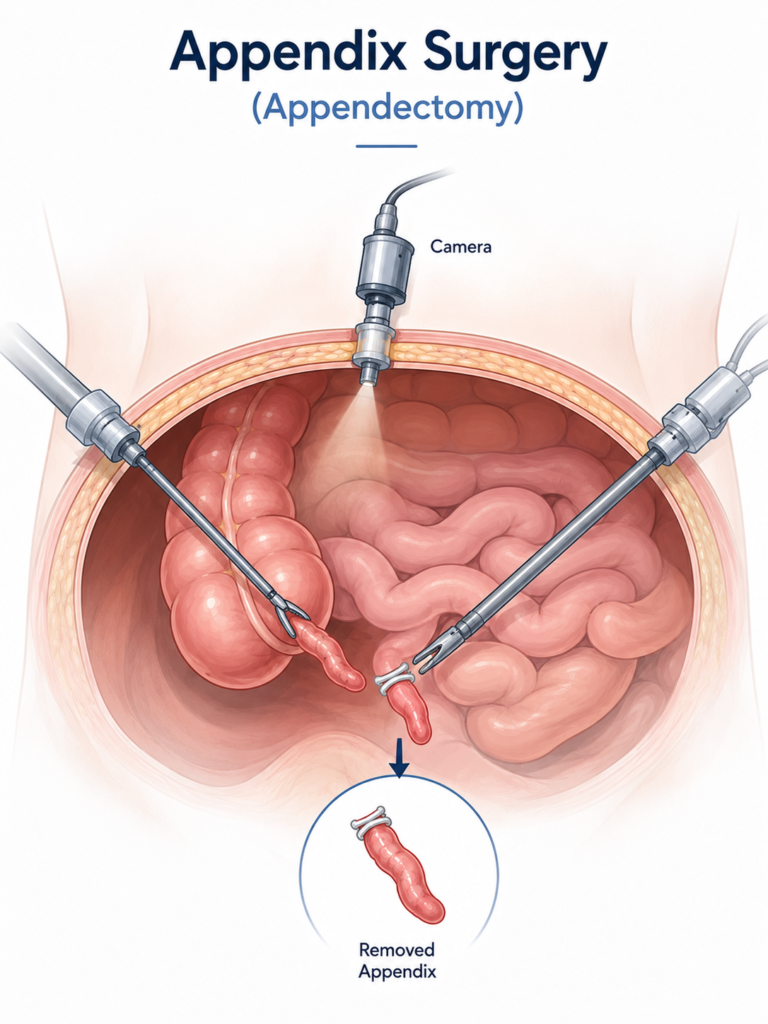
Appendix Surgery (Appendectomy)
An inflamed appendix, commonly known as appendicitis, is one of the more urgent conditions a gastro surgeon treats. Left untreated, it can rupture and lead to a serious abdominal infection, which is why timely diagnosis matters.
Recognising appendicitis early
- Sudden pain that typically starts near the navel and shifts to the lower right abdomen ●Loss of appetite alongside nausea or vomiting
- Low-grade fever
- Tenderness that worsens with movement, walking, or coughing
Laparoscopic vs. open appendectomy — how the decision is made
Laparoscopic appendectomy is the preferred approach in most cases, offering a quicker recovery and smaller scars. An open approach may be necessary in complicated or delayed presentations, such as when the appendix has already ruptured. Dr. Abhinav Sengar determines the appropriate method based on the stage and severity of the condition at the time of evaluation.
Small Bowel Surgery
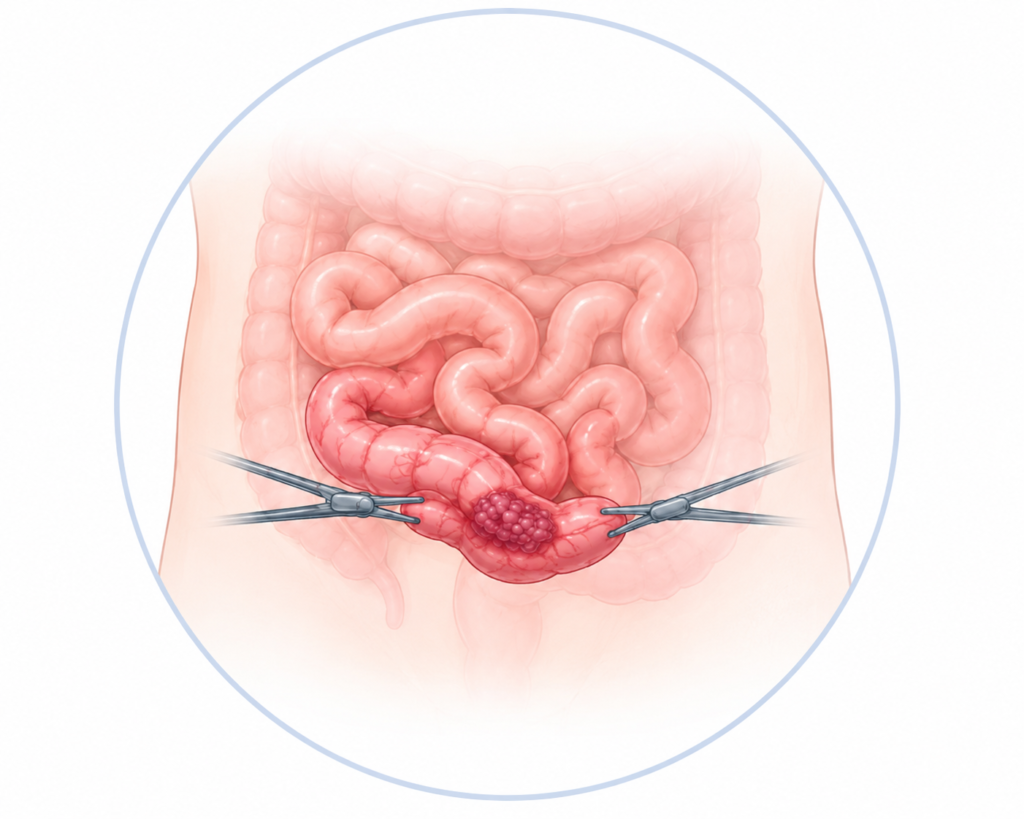
The small intestine can be affected by a range of conditions, from tumours and inflammatory disease to perforation or injury. Small bowel surgery covers this spectrum of care, aiming to remove or repair the affected segment while preserving as much healthy intestine as possible.
Conditions of the small intestine that may need surgery
- Small intestine tumours, benign or malignant
- Bowel perforation
- Crohn’s disease and other inflammatory conditions
- Intestinal bleeding or injury
- Congenital intestinal disorders
Resection and reconstruction — what recovery looks like
Depending on the extent of disease, surgery may involve removing the diseased segment and reconnecting the healthy ends, or reconstructing the bowel in stages. Recovery time varies with the complexity of the procedure, and patients are given a personalised recovery plan during their hospital stay.
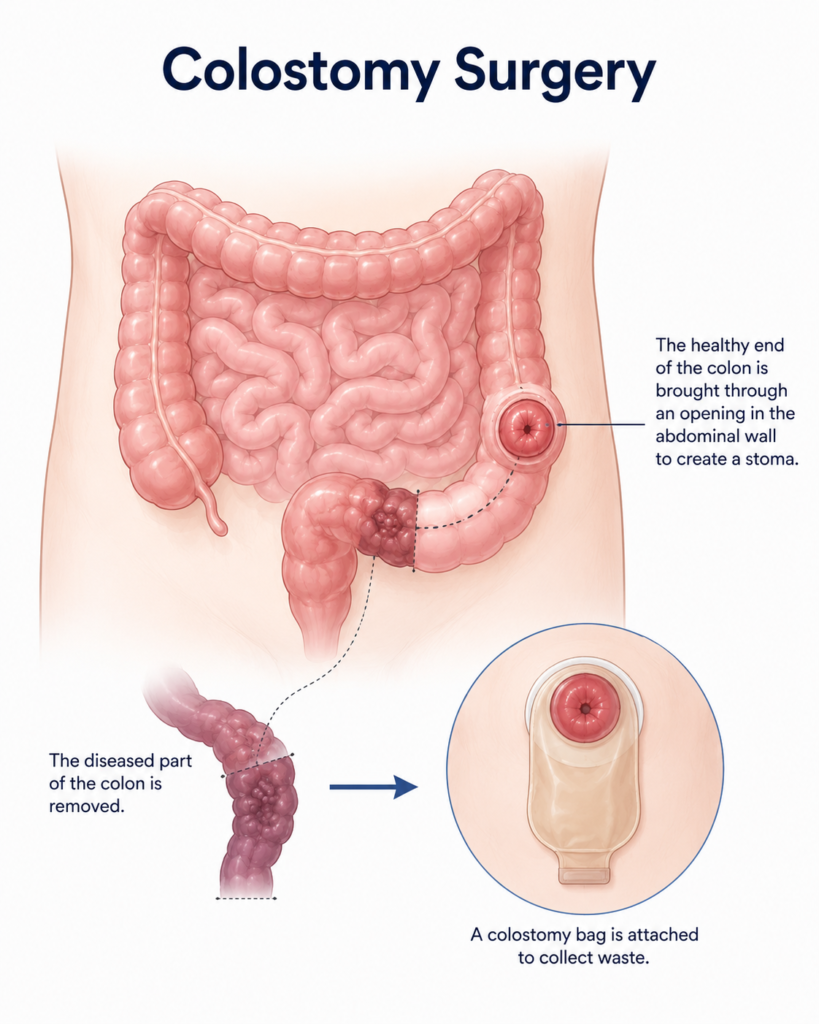
Colostomy Surgery
A colostomy creates an opening in the abdominal wall, allowing stool to pass into an external pouch when the lower bowel is unable to function normally. It may be a temporary measure to let the bowel heal, or a longer-term solution depending on the underlying condition.
When a stoma is medically necessary
- Colorectal cancer
- Severe bowel injury or perforation
- Intestinal obstruction requiring bowel rest
- Diverticular disease
- Inflammatory bowel disease and complex anorectal conditions
Adjusting to life with a colostomy
A colostomy can understandably feel overwhelming at first. With proper guidance on care and diet, most patients return to work, travel, and regular activities within a reasonable period. Dr. Abhinav Sengar’s team supports patients through this adjustment rather than leaving them to manage it alone.
Why Patients Trust Dr. Abhinav Sengar
Dr. Abhinav Sengar brings specialized gastro-surgical training, extensive hands-on experience, and a genuinely patient-focused approach to digestive and abdominal care in Kanpur.

Qualifications
- MBBS — CSJM University
- MS General Surgery — CSJM University
- DNB Gastro Surgery — National Board of Examinations (NBE)
- FIAGES — Fellow, Indian Association of Gastrointestinal Endo Surgeons
14+ years
of specialized gastro-surgical practice
9 focus areas
across stomach, gallbladder, liver & pancreas care
Specialized training in General Surgery and Gastro Surgery (DNB)
Fellow of the Indian Association of Gastrointestinal Endo Surgeons (FIAGES)
Expertise across stomach, gallbladder, liver, and pancreatic disorders
Evidence-based, personalized treatment — not a generic protocol
Clear communication and a patient-first approach
Trusted by patients across Kanpur and surrounding regions
Robotic Colorectal Surgery — A Safer, Minimally Invasive Option
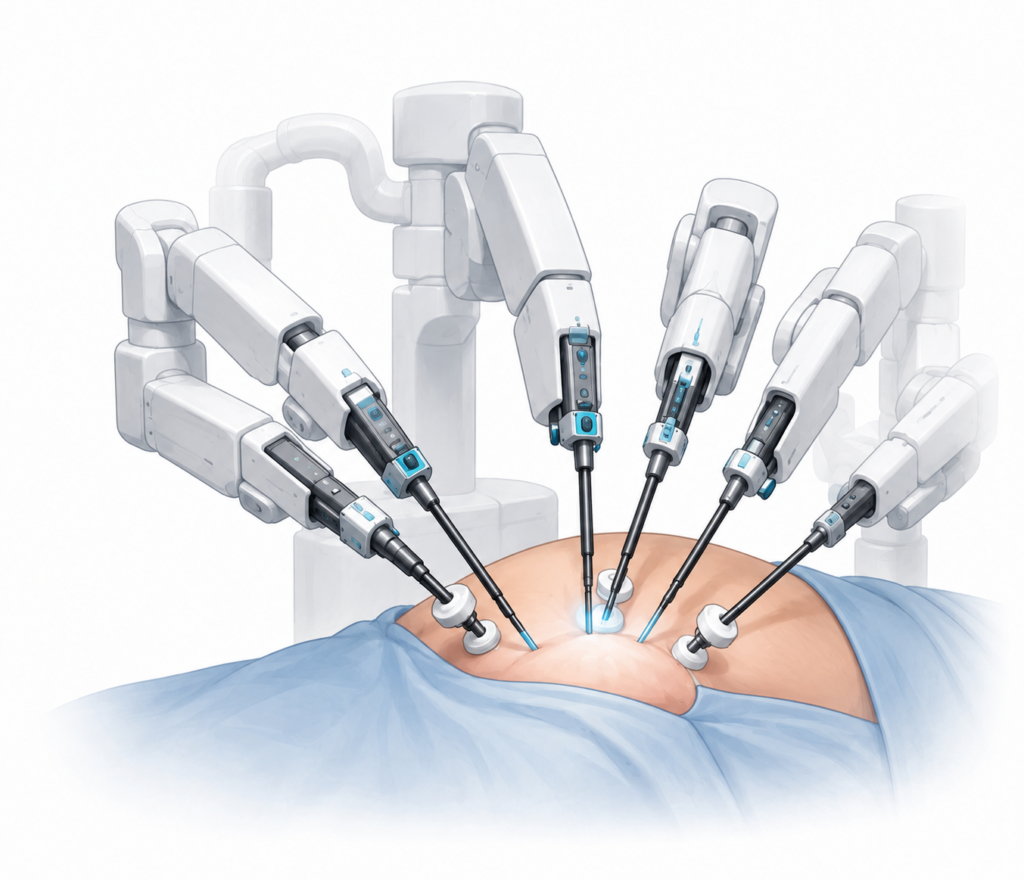
Robotic-assisted surgery extends the benefits of laparoscopic technique with greater precision, particularly useful in colorectal procedures where accuracy around delicate tissue matters.
Benefits of robotic-assisted surgery
- Enhanced precision in confined areas of the pelvis and abdomen
- Smaller incisions and reduced blood loss
- Typically shorter hospital stays
- Reduced post-operative pain compared with open surgery
Who is a good candidate
Suitability for robotic surgery depends on the specific condition, its stage, and the patient’s overall health. This is assessed individually during consultation rather than assumed in advance.
Areas We Serve
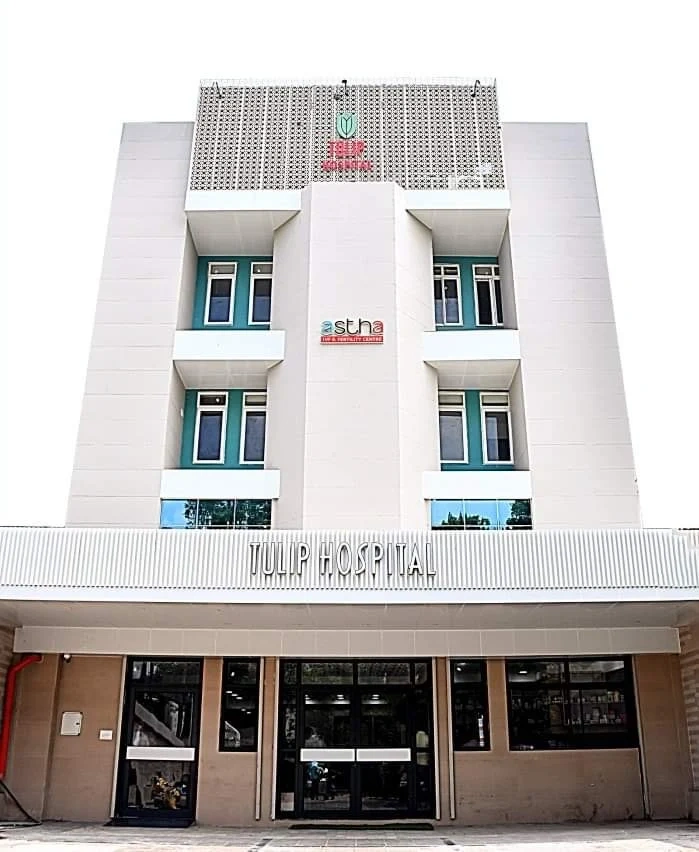
Tulip Hospital is located in Kakadeo, Kanpur, and welcomes patients from across the city as well as surrounding districts seeking expert liver and gastrointestinal surgical care.
Serving Kakadeo, Swaroop Nagar, Civil Lines and Beyond
Patients regularly travel to Dr. Abhinav Sengar’s clinic from areas including Kakadeo, Swaroop Nagar, Civil Lines, Kalyanpur, Govind Nagar, and Kidwai Nagar, as well as from nearby districts such as Kanpur Dehat, Unnao, and Fatehpur. Whichever part of the region you are coming from, our team can guide you on appointment timings and what to bring for your first visit.
Frequently Asked Questions
Q1. What are the signs that I may need intestine surgery?
Persistent abdominal pain, repeated vomiting, inability to pass gas or stool, or visible abdominal swelling are signs that should prompt a surgical evaluation rather than waiting to see if symptoms pass on their own.
Q2. Is laparoscopic surgery safer than open surgery for intestinal problems?
Laparoscopic surgery generally involves smaller incisions, less blood loss, and a quicker recovery than open surgery. However, the safest approach depends on the specific condition, and Dr. Sengar recommends the technique best suited to each case
Q3. How is robotic colorectal surgery different from laparoscopic surgery?
Robotic surgery uses the same minimally invasive principle as laparoscopic surgery but adds greater precision through robotic-assisted instruments, which can be particularly useful for delicate colorectal procedures.
Q4. What are the early warning signs of appendicitis?
Sudden pain that shifts to the lower right abdomen, loss of appetite, nausea, and low-grade fever are common early signs. Pain that worsens with movement or coughing should be evaluated promptly.
Q5. Is a colostomy always permanent?
No. A colostomy may be temporary, allowing the bowel to heal before reversal, or permanent depending on the underlying condition. This is discussed clearly with each patient before surgery.
Q6. How long is the hospital stay after intestine surgery?
Hospital stay depends on the type of surgery and the patient’s recovery. Minimally invasive procedures such as laparoscopic or robotic surgery typically involve a shorter stay than open surgery.
Q7. How much does intestine surgery cost in Kanpur?
Cost depends on the procedure, complexity, and hospital stay required. Tulip Hospital provides a personalised cost estimate after Dr. Sengar’s evaluation rather than a fixed published price.
Q8. How soon can I resume normal activities after surgery?
Recovery time varies by procedure, but minimally invasive techniques generally allow a faster return to daily activities compared with open surgery. Dr. Sengar’s team provides a specific recovery timeline for each patient.
Book Your Consultation
Tulip Hospital 117/439, H Block, Pandu Nagar, near Police Station and Paliwal Diagnostics, Kakadeo, Kanpur, Uttar Pradesh 208005 Phone: 7080999988 / 7080180033 | Open 24 Hours Appointment required. Call, WhatsApp, or book online to consult Dr. Abhinav Sengar. |