
Robotic Surgery in Kanpur — Tulip Hospital
If you or a family member has been advised surgery for a gallbladder, liver, pancreatic, colorectal or hernia condition, you are likely weighing two questions at once: which treatment approach is safest, and which hospital in Kanpur can deliver it well. Tulip Hospital in Kakadeo offers robotic surgery under the care of Dr. Abhinav Sengar, a gastro surgeon with 14 years of clinical experience in gastrointestinal and hepatobiliary conditions. This page explains what robotic surgery involves, which conditions it treats, and what to expect at each stage of your treatment journey.
Appointment Form
Request a consultation
Share a few details and our team will call you back to confirm your appointment.
What Is Robotic Surgery?
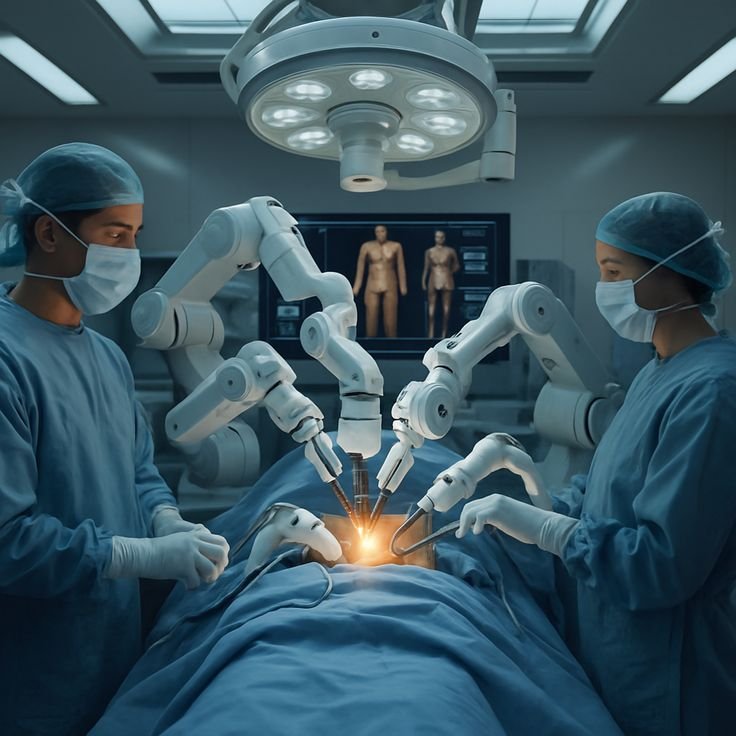
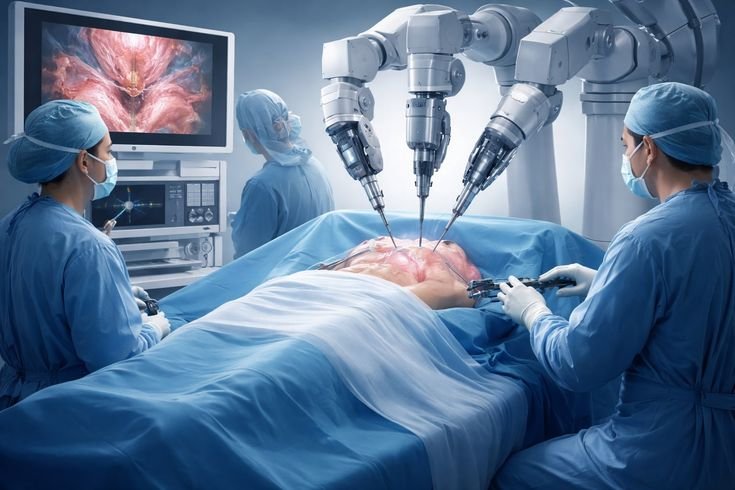
Robotic surgery is a minimally invasive surgical approach in which the operating surgeon controls specialised robotic instruments through small incisions in the abdomen. Rather than the robot acting independently, every movement is guided in real time by the surgeon, who views a magnified, high-definition image of the surgical area throughout the procedure. This combination of magnification and instrument precision allows for finer control than is possible with the human hand alone, particularly in tight spaces such as around the bile ducts, pancreas or pelvic floor.
How It Differs From Traditional Open Surgery
Open surgery requires a larger incision to give the surgeon direct visual and physical access to the operating area. Robotic surgery instead works through a few small ports, which generally means less disruption to surrounding muscle and tissue. For patients, this often translates into less post-operative pain, a shorter hospital stay and a quicker return to normal activity, though the right approach always depends on the specific condition and the surgeon’s clinical judgement.
The Technology Behind Robotic Precision
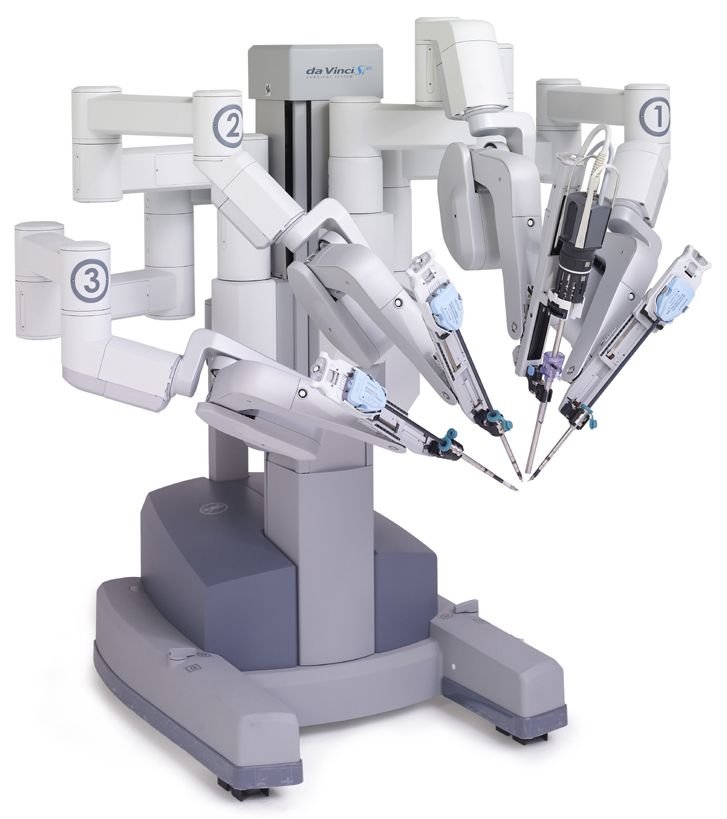
Robotic platforms provide wristed instruments that rotate and bend in ways the human hand cannot replicate through a small incision, along with tremor filtration that steadies fine movements. The system also offers three-dimensional, magnified visualisation of the surgical field, which is particularly valuable when working near blood vessels in the liver or pancreas. The specific robotic platform in use at Tulip Hospital can be confirmed directly with the hospital team at the time of consultation.
Robotic Surgery vs Laparoscopic Surgery — Which Is Right for You?
Both robotic and laparoscopic surgery are minimally invasive and use small incisions rather than a single large cut. The difference lies mainly in the instruments and control. Laparoscopic surgery uses rigid, straight instruments that the surgeon manoeuvres by hand, while robotic surgery uses wristed instruments controlled through a console, offering a wider range of motion and steadier movement inside the body.
Neither approach is universally better. Laparoscopic surgery remains an excellent, well-established option for many gallbladder and hernia procedures. Robotic surgery tends to offer a meaningful advantage in cases requiring very fine dissection, such as around the bile duct, pancreas or in the narrow pelvic space during colorectal surgery. Dr. Abhinav Sengar assesses each case individually and discusses which approach is most appropriate, rather than defaulting to one method for every patient.
Is Robotic Surgery Safe?
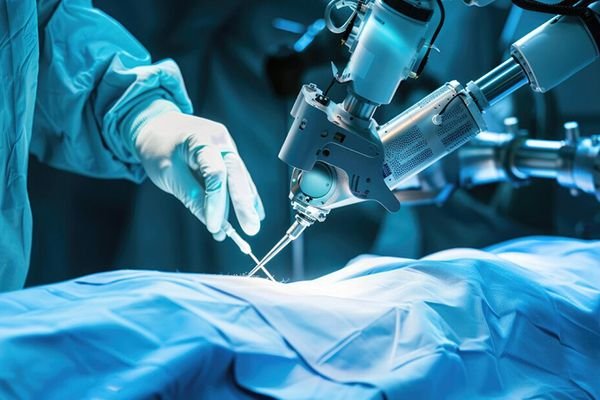
Robotic surgery is a well-established surgical approach used worldwide for gastrointestinal, hepatobiliary, colorectal and hernia procedures. As with any surgery, safety depends heavily on the surgeon’s experience, the patient’s overall health, and how well the case is assessed before the operation. Dr. Abhinav Sengar’s approach includes a thorough pre-operative evaluation, clear communication about what the procedure involves, and close post-operative monitoring, which are the same principles that guide safe surgical care regardless of the technique used.
Who Is a Good Candidate?
- Patients with gallbladder disease, including symptomatic gallstones
- Patients with liver tumours, cysts or lesions requiring surgical removal
- Patients with pancreatic cysts, tumours or recurrent pancreatitis
- Patients with colorectal conditions such as polyps not removable endoscopically, or colorectal cancer
- Patients with inguinal, ventral, incisional or recurrent hernias
Suitability for robotic surgery is confirmed only after a detailed clinical evaluation, relevant imaging and blood investigations. Some patients with significant prior abdominal surgery or certain complex conditions may be better suited to an open approach, which Dr. Abhinav Sengar will discuss transparently during consultation.

Robotic Gallbladder Surgery
Gallbladder disease is one of the most common reasons patients are referred for gastro-surgical evaluation, typically presenting as upper abdominal pain, discomfort after fatty meals, or gallstones identified on ultrasound. Robotic gallbladder removal (cholecystectomy) is performed through a small number of incisions, allowing precise dissection around the bile duct and surrounding blood vessels. For patients with more complex or inflamed gallbladders, the enhanced visualisation offered by robotic technology can be particularly useful in reducing the risk of injury to nearby structures.
Robotic Liver Surgery
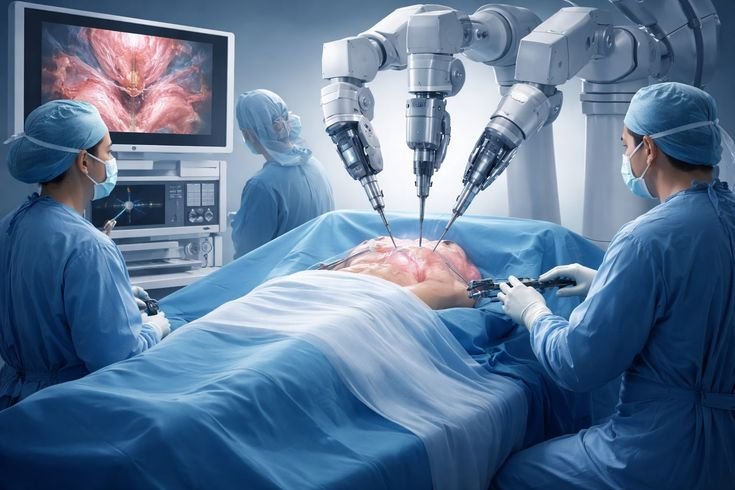
Robotic liver surgery is used to treat liver tumours, cysts, selected liver cancers and other lesions that require surgical removal. The liver is a highly vascular organ, and precise control during resection is essential to limit blood loss and preserve as much healthy liver tissue as possible. Robotic instruments allow Dr. Abhinav Sengar to work with fine control in this delicate anatomical space.
Conditions Treated
- Liver tumours identified on imaging
- Benign and selected malignant liver lesions
- Symptomatic liver cysts
- Cases where preserving healthy liver tissue is a treatment priority
Robotic Pancreatic Surgery
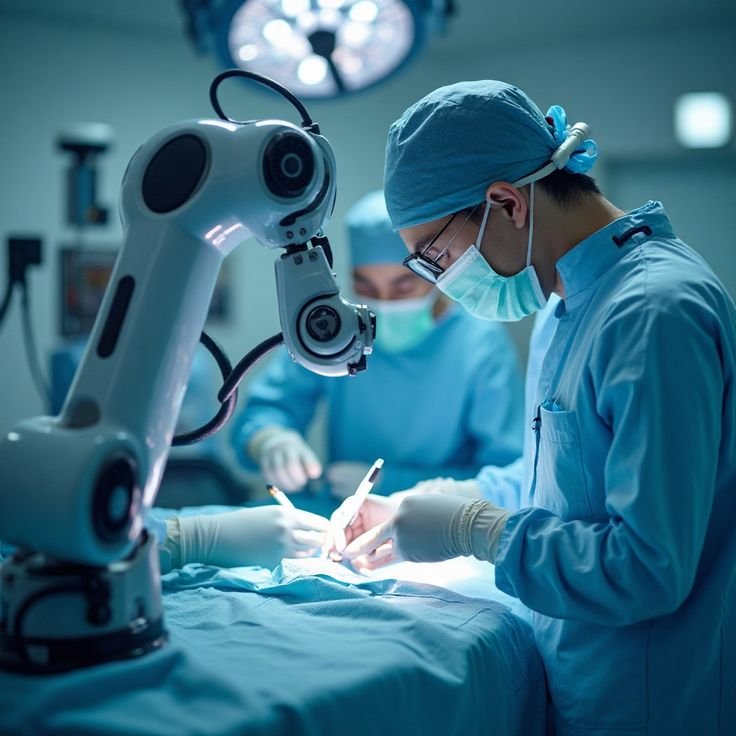
The pancreas sits close to major blood vessels and adjoining organs, which makes precision especially important during surgery. Robotic pancreatic surgery is used for pancreatic tumours, cysts, neuroendocrine tumours and selected cases of chronic or recurrent pancreatitis. The wristed movement of robotic instruments assists in careful dissection around these delicate structures, which can support a smoother recovery for eligible patients.
Conditions Treated
- Pancreatic tumours requiring surgical removal
- Pancreatic cysts with risk of complications
- Recurrent or chronic pancreatitis requiring surgical management
- Selected cases presenting with jaundice related to pancreatic disease
Robotic Colorectal & Hernia Surgery
Beyond hepatobiliary and pancreatic conditions, Dr. Abhinav Sengar’s practice also covers robotic surgery for colorectal disease and abdominal wall hernias, both of which benefit from the precision robotic instruments offer in confined anatomical spaces.
Colorectal Conditions Treated
- Colon and rectal tumours, including colorectal cancer
- Large polyps not suitable for endoscopic removal
- Diverticular disease requiring surgical treatment
- Persistent changes in bowel habit needing surgical evaluation
Hernia Repair Options
- Robotic inguinal hernia repair
- Robotic ventral and incisional hernia repair
- Robotic repair for recurrent hernias after previous surgery
- Precise mesh placement to support long-term repair
Why Patients Trust Dr. Abhinav Sengar
Dr. Abhinav Sengar brings specialized gastro-surgical training, extensive hands-on experience, and a genuinely patient-focused approach to digestive and abdominal care in Kanpur.

Qualifications
- MBBS — CSJM University
- MS General Surgery — CSJM University
- DNB Gastro Surgery — National Board of Examinations (NBE)
- FIAGES — Fellow, Indian Association of Gastrointestinal Endo Surgeons
14+ years
of specialized gastro-surgical practice
9 focus areas
across stomach, gallbladder, liver & pancreas care
Specialized training in General Surgery and Gastro Surgery (DNB)
Fellow of the Indian Association of Gastrointestinal Endo Surgeons (FIAGES)
Expertise across stomach, gallbladder, liver, and pancreatic disorders
Evidence-based, personalized treatment — not a generic protocol
Clear communication and a patient-first approach
Trusted by patients across Kanpur and surrounding regions
Your Treatment Journey — From Consultation to Recovery
Every patient’s path to surgery begins with a detailed conversation, not a fixed protocol. Below is what patients can generally expect, though your specific plan will be tailored by Dr. Abhinav Sengar based on your condition.
What to Expect Before Surgery
- Initial consultation to review symptoms, medical history and prior reports
- Relevant imaging and laboratory investigations to confirm diagnosis
- A clear discussion of treatment options, including robotic, laparoscopic or open approaches where relevant
- Pre-operative fitness assessment and anaesthesia evaluation
Recovery & Follow-Up Care
- Close post-operative monitoring during the hospital stay
- Guidance on pain management, diet and activity as you recover
- Scheduled follow-up visits to track healing and address any concerns
- Clear instructions on warning signs that would need prompt medical attention
Hospital stay, recovery timelines and anaesthesia planning vary by procedure and individual health status; these details are confirmed with you directly during consultation rather than generalised here.
Areas We Serve
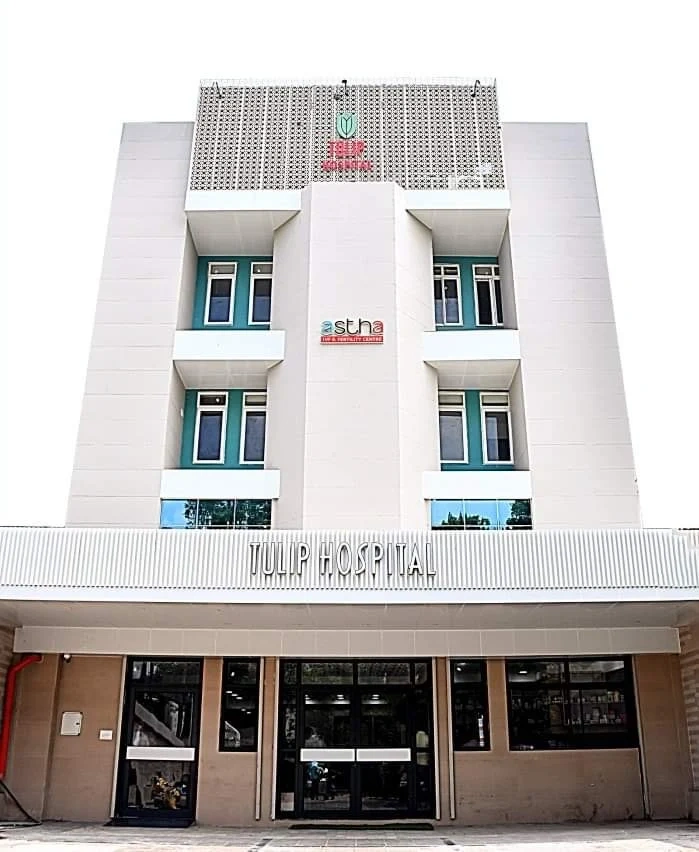
Tulip Hospital is located in Kakadeo, Kanpur, and welcomes patients from across the city as well as surrounding districts seeking expert liver and gastrointestinal surgical care.
Serving Kakadeo, Swaroop Nagar, Civil Lines and Beyond
Patients regularly travel to Dr. Abhinav Sengar’s clinic from areas including Kakadeo, Swaroop Nagar, Civil Lines, Kalyanpur, Govind Nagar, and Kidwai Nagar, as well as from nearby districts such as Kanpur Dehat, Unnao, and Fatehpur. Whichever part of the region you are coming from, our team can guide you on appointment timings and what to bring for your first visit.
Frequently Asked Questions
Q1. What is robotic surgery and how is it different from open surgery?
Robotic surgery is performed through small incisions using surgeon-controlled robotic instruments, rather than the larger single incision used in open surgery. This generally means less tissue disruption and a more controlled recovery, though suitability depends on the individual case.
Q2. Is robotic surgery safe?
Robotic surgery is a well-established technique used globally for gastrointestinal, hepatobiliary and colorectal procedures. Safety depends on careful patient evaluation, surgical experience and post-operative care, all of which are part of Dr. Sengar’s standard approach to every case.
Q3. How is robotic surgery different from laparoscopic surgery?
Both are minimally invasive, but robotic surgery uses wristed instruments with a greater range of motion, controlled through a console, offering additional precision in confined spaces such as around the bile duct or pancreas.
Q4. What conditions can be treated with robotic GI surgery?
Robotic GI surgery at Tulip Hospital covers gallbladder disease, liver tumours and cysts, pancreatic tumours and cysts, colorectal conditions including cancer and large polyps, and abdominal wall hernias.
Q5. How long is the hospital stay after robotic surgery?
Hospital stay depends on the specific procedure, the patient’s overall health and how the surgery proceeds. Many minimally invasive procedures allow a shorter stay than equivalent open surgery, and Dr. Sengar will give you a personalised estimate during consultation.
Q6. Is robotic surgery painful, and what is the recovery time?
Because robotic surgery uses small incisions, post-operative pain is generally less than with open surgery, and many patients resume light activity sooner. Exact recovery time varies by procedure and is best discussed for your specific case.
Q7. Who is a good candidate for robotic surgery?
Patients with gallbladder disease, liver or pancreatic lesions, colorectal conditions or hernias are commonly good candidates, subject to a detailed pre-operative evaluation. Some complex cases may be better suited to alternative approaches, which Dr. Sengar will explain clearly.
Q8. How do I book a consultation with Dr. Abhinav Sengar at Tulip Hospital?
You can call Tulip Hospital directly or use the appointment request details below to schedule a consultation with Dr. Sengar at the Kakadeo, Kanpur facility.
Book Your Consultation
Tulip Hospital 117/439, H Block, Pandu Nagar, near Police Station and Paliwal Diagnostics, Kakadeo, Kanpur, Uttar Pradesh 208005 Phone: 7080999988 / 7080180033 | Open 24 Hours Appointment required. Call, WhatsApp, or book online to consult Dr. Abhinav Sengar. |