
Spleen Surgery in Kanpur — Laparoscopic Splenectomy by Dr. Abhinav Sengar
If you or a family member has been told you need spleen surgery, it is natural to feel uncertain about what happens next. This page explains why spleen surgery is recommended, what laparoscopic splenectomy involves, what recovery looks like, and how to plan your consultation with Dr. Abhinav Sengar at Tulip Hospital, Kanpur.
Appointment Form
Request a consultation
Share a few details and our team will call you back to confirm your appointment.
Our Spleen Surgery Treatments
Spleen Tumor Surgery
Targeted surgery to remove tumors or abnormal growths from the spleen while preserving healthy tissue whenever possible.
Splenic Cancer Surgery
Surgical treatment focused on removing cancerous or affected splenic tissue based on the extent and location of the disease.
Splenectomy
A surgical procedure to remove part or all of the spleen when treatment requires removal of the affected organ.
What Is Splenectomy (Spleen Removal Surgery)?
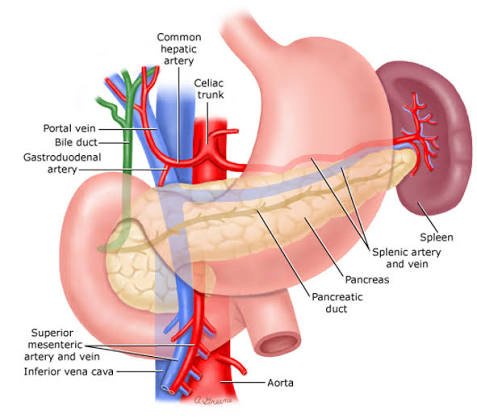
Splenectomy is the surgical removal of the spleen, an organ located on the upper left side of the abdomen that filters blood and supports the immune system. Surgery is recommended when the spleen is diseased, injured, or enlarged to a point where it is causing pain, blood abnormalities, or a risk of rupture.
When Is Spleen Surgery Needed?
Spleen surgery is generally considered when the spleen is significantly enlarged, has been injured in an accident or fall, is affected by certain blood disorders, or contains a cyst or tumour that cannot be managed with medication alone. Dr. Abhinav Sengar evaluates each case individually using imaging and blood tests before recommending surgery.
Laparoscopic vs Open Splenectomy
Laparoscopic splenectomy is performed through a few small incisions using a camera and specialised instruments, while open splenectomy uses a single larger incision. At Tulip Hospital, Dr. Abhinav Sengar performs splenectomy using the laparoscopic, minimally invasive approach, which for most planned (non-emergency) cases is associated with smaller scars, less post-operative pain, and a quicker return to daily activities compared with open surgery.
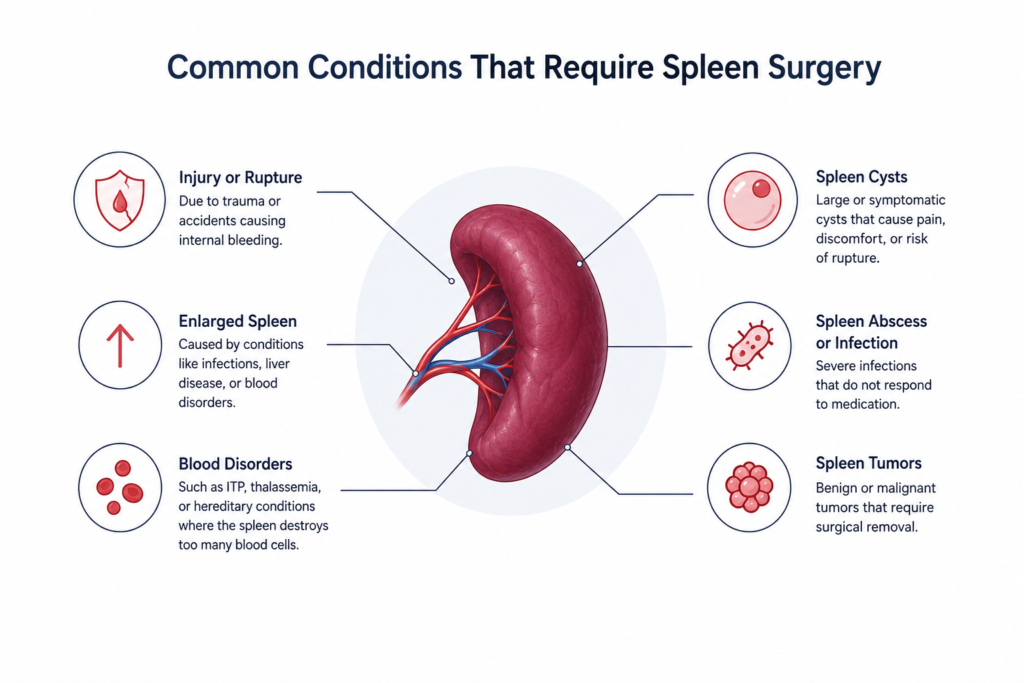
Common Conditions That Require Spleen Surgery
Enlarged Spleen (Splenomegaly)
An enlarged spleen can result from infections, liver disease, blood disorders, or certain cancers. When the enlargement causes persistent pain, low blood counts, or a high risk of rupture, surgical removal may be advised after other treatment options have been explored.
Ruptured Spleen (Trauma/Emergency)
A ruptured spleen is usually the result of a road traffic accident, a fall, or a direct blow to the abdomen, and can cause sudden, severe pain along with internal bleeding. This is a medical emergency that may require urgent surgery to control bleeding and stabilise the patient.
Other Causes
- Blood disorders such as ITP (immune thrombocytopenic purpura) or hereditary spherocytosis
- Cysts or benign growths within the spleen
- Certain blood cancers affecting spleen function
- Splenic abscess or infection not responding to medication
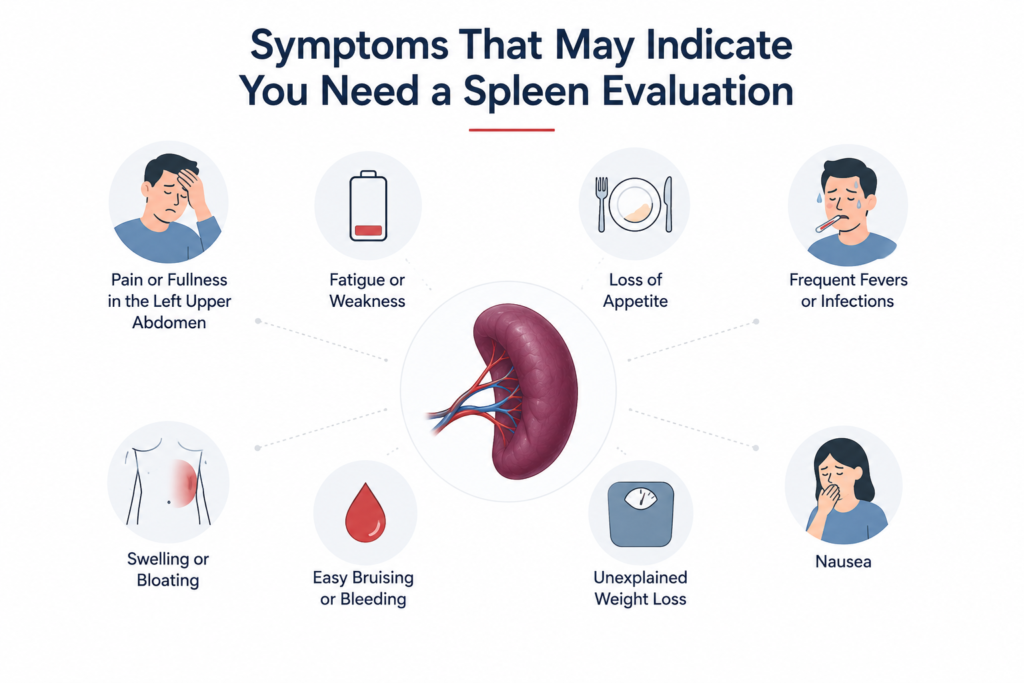
Symptoms That May Indicate You Need a Spleen Evaluation
- Persistent pain or fullness in the upper left abdomen
- Pain that spreads to the left shoulder
- Unexplained fatigue or frequent infections
- Easy bruising or unusual bleeding
- A feeling of fullness after eating only a small amount of food
When Symptoms Are a Medical Emergency
Sudden, severe abdominal pain after an injury or accident, especially when accompanied by dizziness, a rapid heartbeat, or fainting, can indicate a ruptured spleen and internal bleeding. This requires immediate emergency medical attention rather than a routine appointment.
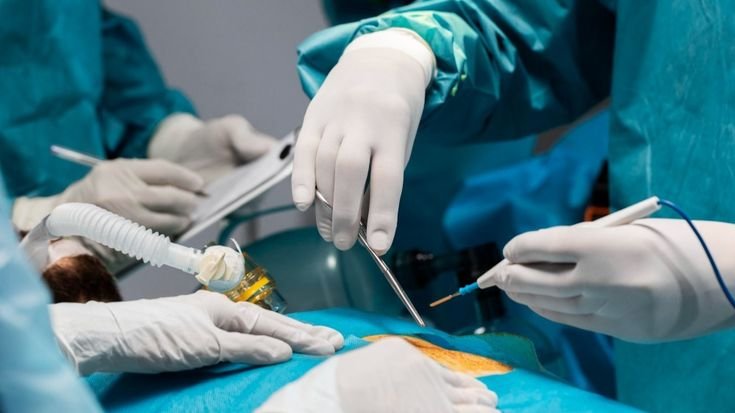
Why Choose Laparoscopic Splenectomy
Benefits of a Minimally Invasive Approach
- Smaller incisions compared to open surgery
- Generally less post-operative pain
- Shorter hospital stay in most planned cases
- Faster return to routine activities for many patients
Individual outcomes vary depending on the underlying condition, the size of the spleen, and whether the surgery is planned or an emergency procedure. Dr. Abhinav Sengar will discuss which approach is appropriate for your specific case.
Why Patients Trust Dr. Abhinav Sengar
Dr. Abhinav Sengar brings specialized gastro-surgical training, extensive hands-on experience, and a genuinely patient-focused approach to digestive and abdominal care in Kanpur.

Qualifications
- MBBS — CSJM University
- MS General Surgery — CSJM University
- DNB Gastro Surgery — National Board of Examinations (NBE)
- FIAGES — Fellow, Indian Association of Gastrointestinal Endo Surgeons
14+ years
of specialized gastro-surgical practice
9 focus areas
across stomach, gallbladder, liver & pancreas care
Specialized training in General Surgery and Gastro Surgery (DNB)
Fellow of the Indian Association of Gastrointestinal Endo Surgeons (FIAGES)
Expertise across stomach, gallbladder, liver, and pancreatic disorders
Evidence-based, personalized treatment — not a generic protocol
Clear communication and a patient-first approach
Trusted by patients across Kanpur and surrounding regions
Your Treatment Journey at Tulip Hospital
Consultation & Diagnosis
Your visit begins with a detailed consultation with Dr. Abhinav Sengar, including a review of your symptoms and medical history, followed by relevant imaging (such as ultrasound or CT scan) and blood tests to confirm the diagnosis and plan the right course of treatment.
Pre-Surgery Evaluation
Before surgery, you will undergo standard pre-operative tests to assess your overall fitness for anaesthesia and surgery. Dr. Abhinav Sengar and the hospital team will explain the procedure, address your questions, and guide you on any preparation needed.
Day of Surgery
Laparoscopic splenectomy is performed under general anaesthesia. Small incisions are made in the abdomen through which a camera and instruments are used to carefully remove the spleen.
Post-Surgery Care
After surgery, you will be monitored in the hospital, with pain managed through medication and gradual mobilisation encouraged to support recovery. Tulip Hospital’s on-site ICU is available for patients who require closer monitoring.
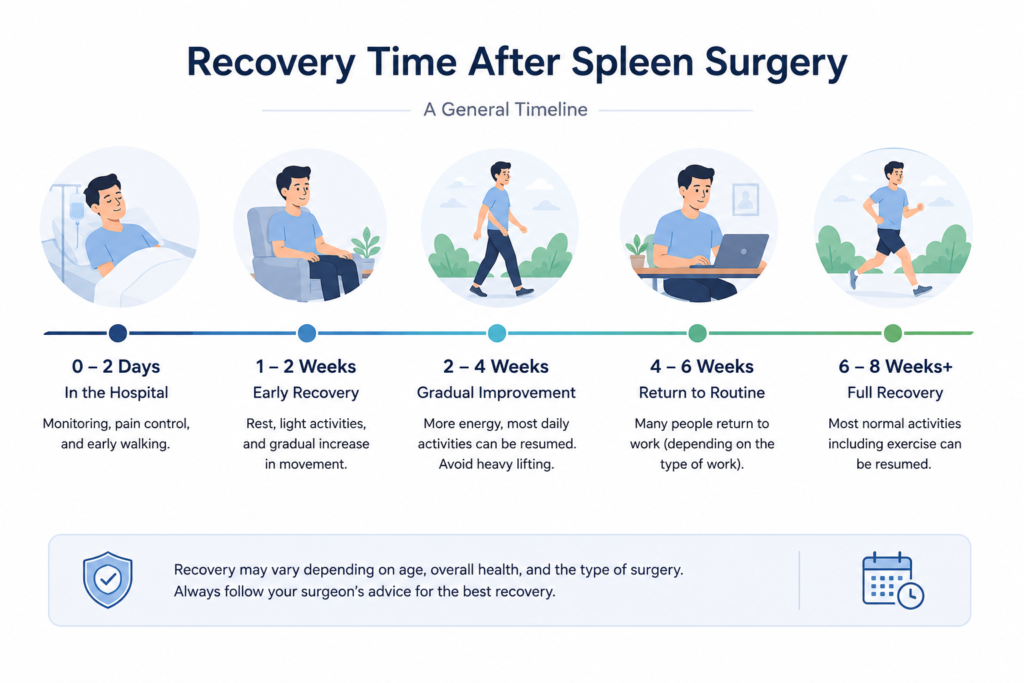
Recovery Time After Spleen Surgery
Hospital Stay
Hospital stay duration depends on the individual case and whether the surgery was planned or an emergency procedure. Dr. Abhinav Sengar will give you a personalised estimate based on your evaluation.
Returning to Normal Activities
Most patients undergoing laparoscopic splenectomy are able to resume light daily activities sooner than after open surgery, with a gradual return to normal routine and work over the following weeks. Your surgeon will guide you on activity restrictions specific to your recovery.
Life After Spleen Removal
The spleen plays a role in fighting certain infections, so life after splenectomy involves some precautions, but most people go on to lead a full, active life with the right follow-up care.
Vaccinations & Infection Precautions
Because the spleen supports immune function, doctors typically recommend specific vaccinations after splenectomy to reduce infection risk, along with prompt medical attention for any fever. Dr. Abhinav Sengar will provide a personalised vaccination and follow-up plan after your surgery.
Diet & Lifestyle Adjustments
Most patients can return to a normal, balanced diet after recovery, with specific guidance provided by the hospital team based on your individual recovery and any underlying condition that led to the surgery.

Areas We Serve
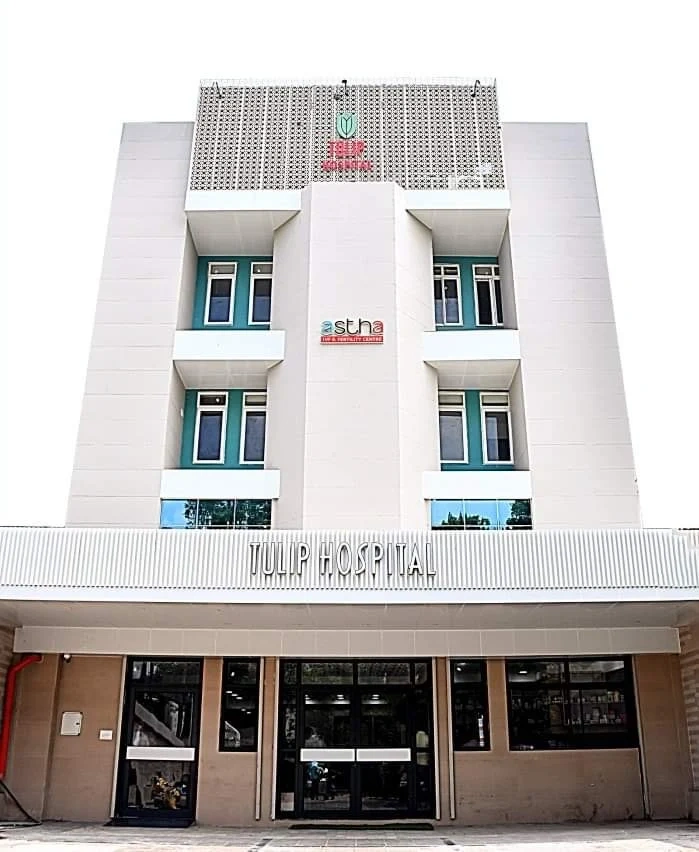
Tulip Hospital is located in Kakadeo, Kanpur, and welcomes patients from across the city as well as surrounding districts seeking expert liver and gastrointestinal surgical care.
Serving Kakadeo, Swaroop Nagar, Civil Lines and Beyond
Patients regularly travel to Dr. Abhinav Sengar’s clinic from areas including Kakadeo, Swaroop Nagar, Civil Lines, Kalyanpur, Govind Nagar, and Kidwai Nagar, as well as from nearby districts such as Kanpur Dehat, Unnao, and Fatehpur. Whichever part of the region you are coming from, our team can guide you on appointment timings and what to bring for your first visit.
Frequently Asked Questions
Q1. What is a splenectomy?
A splenectomy is the surgical removal of the spleen, performed when the organ is diseased, injured, or enlarged to a degree that it is causing symptoms or health risks.
Q2. Is laparoscopic spleen surgery safe?
Laparoscopic splenectomy is a well-established surgical technique performed under general anaesthesia. As with any surgery, safety depends on the patient’s overall health and the underlying condition, which Dr. Sengar assesses during your evaluation.
Q3. How long does spleen surgery recovery take?
Recovery time varies by patient and by whether the procedure was planned or performed as an emergency. Many patients resume light activities sooner after laparoscopic surgery compared to open surgery, with a gradual return to full routine over the following weeks.
Q4. Can you live a normal life without a spleen?
Yes, most people live a full, active life after spleen removal. Since the spleen supports immune function, doctors typically recommend certain vaccinations and precautions against infection after surgery
Q5. What vaccinations are needed after spleen removal?
Specific vaccinations are generally recommended after splenectomy to reduce infection risk. Dr. Sengar will provide a personalised vaccination schedule as part of your post-surgery care plan.
Q6. How much does spleen surgery cost in Kanpur?
Cost depends on factors such as the surgical approach, hospital stay, and any additional care required. Book a consultation with Dr. Sengar at Tulip Hospital for a personalised cost estimate after evaluation.
Q7. How is laparoscopic splenectomy different from open surgery?
Laparoscopic splenectomy uses a few small incisions and a camera-guided approach, while open splenectomy uses a single larger incision. Dr. Sengar performs splenectomy using the laparoscopic technique, which for most planned cases offers a less invasive alternative to open surgery.
Book Your Consultation
Tulip Hospital 117/439, H Block, Pandu Nagar, near Police Station and Paliwal Diagnostics, Kakadeo, Kanpur, Uttar Pradesh 208005 Phone: 7080999988 / 7080180033 | Open 24 Hours Appointment required. Call, WhatsApp, or book online to consult Dr. Abhinav Sengar. |